
Tooth pain and missing teeth can turn everyday meals, conversations, and sleep into a constant hassle. Yet many people delay care because of old stories about painful dental visits—or worry that a lost tooth means settling for a loose denture or grinding down healthy neighboring teeth.
Modern dentistry has changed both experiences dramatically. At Archak Dental, modern painless root canal treatments focus on stopping infection and saving your natural tooth comfortably, while dental implants offer a sturdy, natural-looking replacement when a tooth cannot be saved or is already missing.
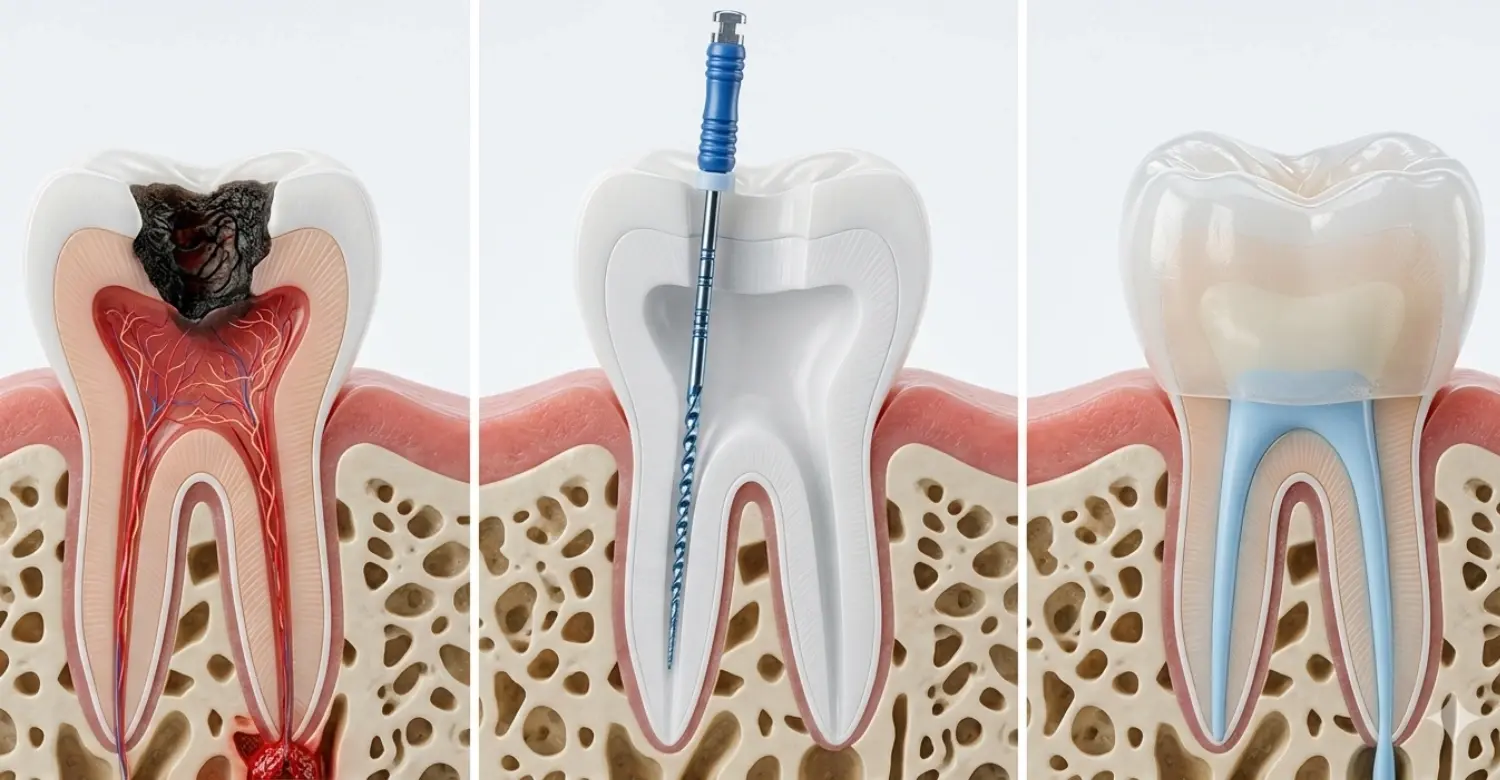
Why Modern Root Canal Treatment Is Virtually Painless
Decades ago, before modern anesthetics and precision instruments were standard, root canal therapy had a tough reputation. Today, the treatment itself is designed to relieve the pain caused by deep tooth decay, cracks, or pulp infection rather than cause it.
Key Comfort & Precision Advantages
- Effective Local Anesthesia: Targeted numbing keeps the treatment area comfortable so most patients compare the experience to getting a routine filling.
- Digital Imaging & Apex Locators: Clear diagnostics help map root canal anatomy accurately before treatment begins.
- Rotary Endodontics & Laser Disinfection: Flexible rotary instruments clean and shape canals efficiently, while laser-assisted disinfection is used where clinically appropriate to support bacterial reduction.
- Single-Sitting Options: Uncomplicated cases may be completed in a single visit, whereas deeper or more complex infections may take one to two appointments or more.
Signs You Shouldn’t Ignore
- Persistent or throbbing toothache, or pain when biting and chewing
- Lingering sensitivity to hot or cold foods and drinks
- Swollen, tender gums or a recurring gum boil/abscess near the tooth
When to Save a Tooth vs. Choose a Dental Implant
Whenever a tooth can be predictably restored, keeping your natural tooth helps preserve your natural bite forces and neighboring tooth alignment. If a tooth is severely fractured below the gumline, has too little remaining structure, or is already missing, a dental implant replaces both the root and the visible crown.
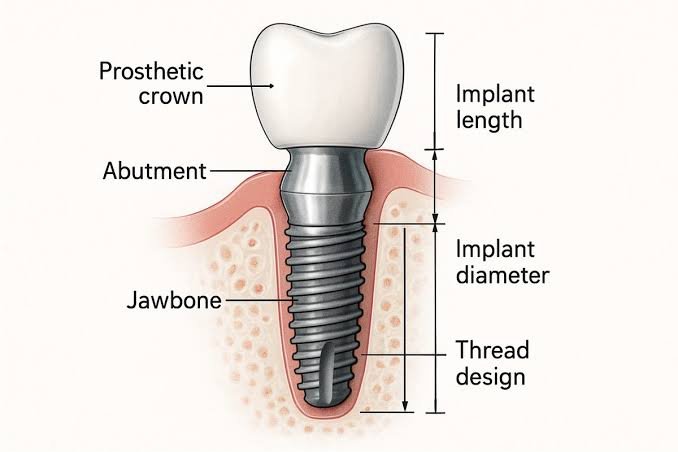
Comparing Root Canal Treatment and Dental Implants
| Feature | Root Canal + Crown | Dental Implant + Crown |
| Primary Goal | Removes infected pulp and saves your natural tooth | Replaces a missing or non-restorable tooth from the root up |
| Structure | Natural root is cleaned, sealed, and capped with a crown | Implant post in the jawbone, abutment, and prosthetic crown |
| Adjacent Teeth | Keeps neighboring teeth untouched | Does not require grinding down adjacent teeth |
| Timeline | Often 1–2 visits (varies by case complexity) | Multi-stage process allowing bone integration and final restoration |
| Longevity | Can last many years—or a lifetime—with proper care and crown protection | Durable long-term replacement when supported by healthy bone and oral hygiene |
Simple Aftercare That Protects Your Investment
Whether you have just finished a painless root canal or are healing after dental work, small daily habits make a big difference in long-term comfort and durability:
- Be Gentle Until Final Restoration: Avoid chewing hard or sticky foods on a treated or temporary tooth until the final crown or restoration is securely placed.
- Skip Hard Objects: Don’t use teeth to crack ice, open packages, or chew on pens.
- Brush and Floss Consistently: Clean twice daily with fluoride toothpaste and clean between teeth every day to keep surrounding gums and bone healthy.
- Keep Follow-Up Visits: Routine checkups let your dentist spot minor wear early and keep your restoration in top shape.