
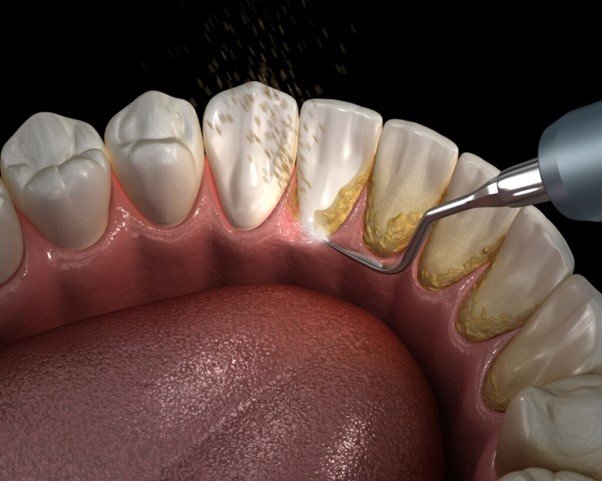
Keeping your teeth clean is about more than brushing twice a day. Even with a good oral hygiene routine, plaque can build up in areas that are difficult to reach, eventually hardening into tartar. Professional dental cleaning helps remove these deposits and allows your dentist to check the health of your teeth and gums.
If you live in Bangalore and are wondering how often you should schedule a dental cleaning, this guide explains the benefits, the procedure, the signs that you may need one, and how to maintain a healthy smile between visits.
What Is Professional Dental Cleaning?
Professional dental cleaning is a preventive dental procedure that removes plaque, tartar, and certain surface stains from your teeth. It is commonly known as scaling and polishing.
Plaque is a sticky film of bacteria that forms on your teeth. If it is not removed regularly, it can harden into tartar, which cannot be removed effectively with an ordinary toothbrush.
During a professional cleaning appointment, a dental professional examines your teeth and gums and removes deposits that regular brushing and flossing may miss.
Dental cleaning is not just about making your teeth look cleaner. It is also an important part of maintaining healthy gums and reducing the risk of oral health problems.
How Often Should You Get a Dental Cleaning?
For many people, a dental cleaning every six months is a useful starting point. However, the ideal frequency depends on your oral health, gum condition, plaque buildup, and individual risk factors.
Your dentist may recommend a different schedule based on your needs.
1. Every Six Months for Routine Preventive Care
If you have generally healthy teeth and gums, your dentist may recommend regular check-ups and professional cleaning at approximately six-month intervals.
These visits allow your dentist to monitor your oral health, remove accumulated deposits when needed, and identify potential problems before they become more complicated.
2. Every Three to Four Months for Certain Gum Conditions
People with gum disease or a history of periodontal treatment may need more frequent professional maintenance.
Your dentist will determine the appropriate interval after assessing your gum health and the amount of plaque and tartar present.
3. More Frequent Monitoring for Higher-Risk Patients
You may need a personalised cleaning and check-up schedule if you have persistent plaque buildup, frequent gum inflammation, a higher risk of tooth decay, or difficulty cleaning around dental appliances.
People with diabetes or other conditions that may affect gum health should also discuss an appropriate preventive care schedule with their dentist.
Remember that professional cleaning and dental check-ups are related but different services. Your dentist can advise you on the frequency of each.
7 Signs You May Need a Professional Dental Cleaning
Do not wait until you experience tooth pain to pay attention to your oral health. The following signs may indicate that you should arrange a dental examination.
1. Bleeding Gums While Brushing
If your gums bleed regularly when you brush or floss, plaque-related gum inflammation may be the cause. Persistent bleeding should be evaluated by a dentist rather than ignored.
2. Yellow or Brown Deposits on Your Teeth
Hard deposits near the gumline or between teeth may be tartar. Unlike soft plaque, tartar cannot be removed effectively at home with ordinary brushing.
3. Persistent Bad Breath
Bad breath can have several causes, including bacterial buildup, gum disease, dry mouth, and certain foods. A dental examination can help identify the underlying problem.
4. Red, Swollen, or Tender Gums
Healthy gums generally should not remain swollen or tender. Persistent inflammation may indicate gingivitis or another gum condition that needs professional attention.
5. Rough Surfaces Behind Your Teeth
Tartar often accumulates behind the lower front teeth and along the gumline. If you notice hard, rough deposits, ask your dentist to examine them.
6. Stains from Tea, Coffee, or Tobacco
Tea and coffee can contribute to surface staining. Professional cleaning may help remove some external stains, although deeper or intrinsic discolouration may require a separate cosmetic assessment.
7. It Has Been a Long Time Since Your Last Visit
Even if your teeth feel fine, you may have plaque buildup or early dental problems that are not causing noticeable symptoms. Regular dental examinations help identify issues that may otherwise go unnoticed.
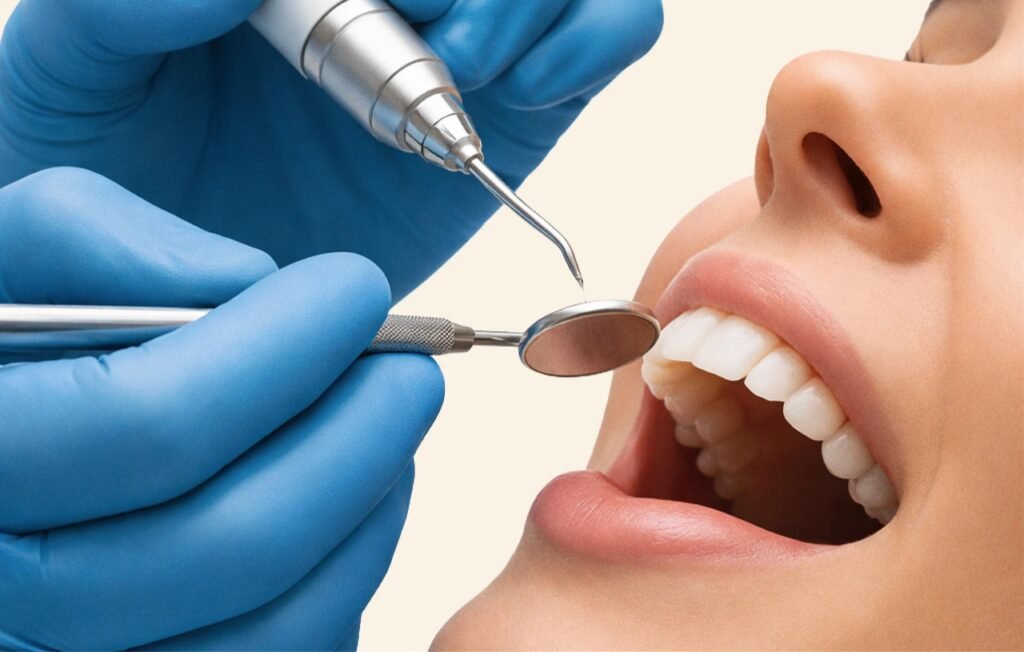
What Happens During a Professional Dental Cleaning?
If you have never had your teeth professionally cleaned, knowing what to expect can make your appointment more comfortable.
Step 1: Dental Examination
Your dentist examines your teeth, gums, and mouth to assess your oral health. They may ask about sensitivity, bleeding gums, previous dental treatment, and your home care routine.
Step 2: Scaling
The dental professional uses appropriate instruments to remove plaque and hardened tartar from the teeth, including areas around the gumline.
You may notice mild vibrations or temporary sensitivity during this stage. Let your dentist know if you experience discomfort.
Step 3: Polishing, When Appropriate
After scaling, your teeth may be polished to help remove certain surface stains and leave the tooth surfaces feeling smoother. Polishing is performed when appropriate for your oral health needs.
Step 4: Oral Hygiene Guidance
Your dentist may recommend improvements to your brushing technique, flossing routine, or other cleaning methods based on the areas where plaque tends to accumulate.
Step 5: Personalised Follow-Up Advice
Your dentist will advise you when to return for your next check-up or cleaning based on your examination findings and individual risk.
Does Dental Cleaning Damage Your Teeth?
One common concern is whether professional scaling makes teeth weak, loose, or permanently sensitive.
When performed appropriately by a trained dental professional, routine scaling is intended to remove plaque and tartar without damaging healthy teeth.
After cleaning, some people experience temporary sensitivity, particularly if tartar had been covering exposed areas near the gums. Teeth may also feel different because the hardened deposits have been removed.
If your teeth appear to have gaps or feel loose after substantial tartar removal, the underlying gum disease or bone loss may have been present before the procedure. Your dentist can examine your teeth and explain what is happening.
Avoid trying to scrape tartar off your teeth using sharp household objects or dental tools without professional guidance.
How to Keep Your Teeth Clean Between Dental Visits
Professional cleaning works best when combined with consistent daily oral care.
Brush Twice a Day
Brush your teeth twice daily for approximately two minutes using fluoride toothpaste. Pay attention to the gumline and all surfaces of your teeth.
Clean Between Your Teeth Daily
Use dental floss or an appropriate interdental cleaning tool to remove plaque and food particles from areas your toothbrush may not reach.
Limit Frequent Sugary Snacks and Drinks
Frequent exposure to sugary foods and beverages can increase the risk of tooth decay. Choose water more often and maintain a balanced diet.
Avoid Tobacco Products
Smoking and other tobacco use can negatively affect gum health and contribute to staining. Avoiding tobacco supports better oral health.
Schedule Regular Dental Check-Ups
Follow the interval recommended by your dentist. Do not wait for pain or swelling before seeking advice about a dental concern.
How Much Does Dental Cleaning Cost in Bangalore?
The cost of professional dental cleaning in Bangalore varies depending on the clinic, the amount of plaque and tartar, the condition of your gums, and whether additional periodontal treatment is necessary.
Routine scaling and polishing may differ in price from deeper periodontal cleaning, which may be recommended for certain gum conditions.
Before beginning treatment, ask your dental clinic about the recommended procedure, the expected cost, and whether any additional treatment is required.
A dental examination is the best way to understand which type of cleaning is appropriate for your needs.
Where Can You Get Professional Dental Cleaning in Bangalore?
If you are looking for dental care in Bangalore, choose a clinic that prioritises proper examination, hygiene, patient comfort, and clear treatment recommendations.
Archak Dental serves patients across several Bangalore localities, including Kaggadasapura, CV Raman Nagar, Mahadevapura, Malleshpalya, and Hennur.
Whether you need a routine dental check-up, professional cleaning, or an assessment of bleeding gums, a dental consultation can help you understand your oral health and the next steps.
Book a dental appointment with Archak Dental to discuss your cleaning needs and receive personalised guidance for maintaining a healthy smile.
Frequently Asked Questions
1. Is dental cleaning necessary if I brush twice daily?
Yes, professional cleaning may still be beneficial even if you brush regularly. Plaque can accumulate in hard-to-reach areas and harden into tartar that cannot be removed effectively with a toothbrush.
2. Is dental cleaning painful?
Routine cleaning is generally well tolerated. You may experience mild discomfort or temporary sensitivity, especially if your gums are inflamed or significant tartar has accumulated. Inform your dentist if you feel pain.
3. Can dental cleaning whiten my teeth?
Professional cleaning can remove certain external stains and make teeth look cleaner. However, it does not change the natural colour of your teeth in the same way as a dedicated teeth-whitening treatment.
4. Can I eat immediately after dental cleaning?
In many cases, you can eat after routine scaling and polishing once you feel comfortable. If your dentist applies fluoride or performs additional treatment, follow the specific aftercare instructions provided.
5. Does dental cleaning stop bad breath?
Cleaning can help reduce bad breath caused by plaque and tartar buildup. However, persistent bad breath may have other causes and should be evaluated by a dentist.
6. Should children also get professional dental cleaning?
Children should receive regular dental examinations, and professional cleaning may be recommended according to their oral health, plaque buildup, and individual needs. Ask your child’s dentist about an appropriate schedule.
7. Should I get dental cleaning if my gums bleed?
Yes, persistent gum bleeding should be evaluated by a dentist. Plaque-related gum inflammation is one possible cause, but an examination is needed to determine the reason and appropriate treatment.