
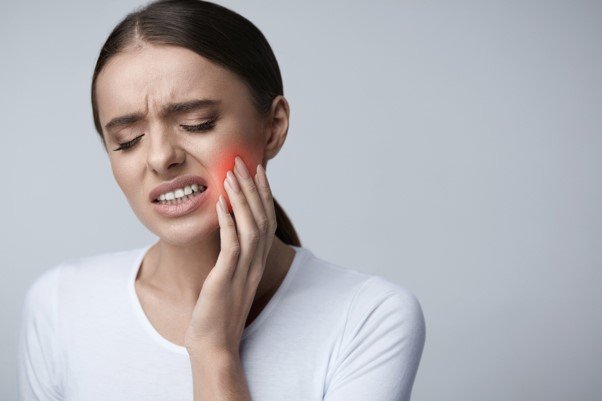
Do you feel a sudden, sharp pain in your teeth when drinking cold water, eating ice cream, or enjoying a hot cup of tea? If so, you may be experiencing tooth sensitivity.
Tooth sensitivity is a common dental concern that can make everyday activities uncomfortable. It may occur occasionally or become frequent enough to affect your eating and drinking habits.
The good news is that sensitive teeth can often be managed with the right oral care and professional dental treatment. In this guide, Archak Dental explains the common causes of tooth sensitivity, available treatment options, and practical ways to protect your teeth.
What Is Tooth Sensitivity?
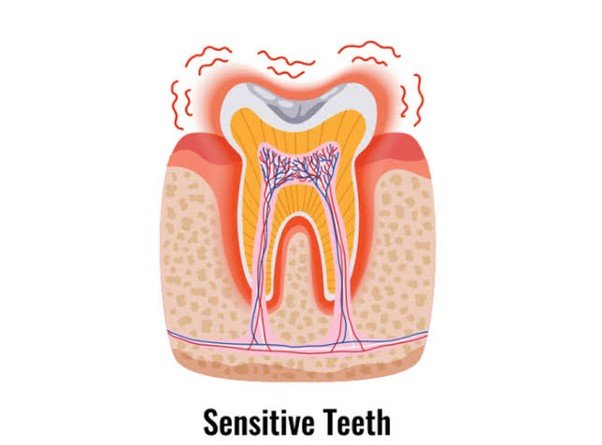
Tooth sensitivity, also called dentin hypersensitivity, is a short, sharp sensation or pain triggered by certain foods, drinks, temperatures, or brushing.
Beneath the hard outer enamel of your teeth lies a layer called dentin. Dentin contains tiny channels that can transmit sensations towards the nerves inside the tooth when the protective enamel wears away or the gums recede.
Sensitivity may affect one tooth or several teeth. Its severity can range from mild discomfort to pain that interferes with daily activities. However, not every sensitive tooth has the same cause. Cavities, cracks, gum problems, and other dental conditions can also cause similar symptoms.
7 Common Causes of Tooth Sensitivity
Understanding the cause of your sensitivity is the first step towards finding an appropriate solution.
1. Worn Tooth Enamel
Tooth enamel protects the inner layers of your teeth. Frequent exposure to acidic foods and drinks, aggressive brushing, and other factors can contribute to enamel erosion.
When the underlying dentin becomes exposed, your teeth may become more sensitive to temperature changes and certain foods.
2. Gum Recession
Your gums help protect the roots of your teeth. When gums recede, the root surface can become exposed.
Unlike the crown of a tooth, the root does not have the same protective enamel covering. This can make exposed areas more sensitive to cold, heat, and touch.
3. Tooth Decay and Cavities
A cavity may cause sensitivity to sweets, cold drinks, or hot foods. As decay progresses, discomfort may become more persistent.
If you notice sensitivity in one particular tooth, arrange a dental examination rather than assuming it is simply a sensitivity problem.
4. Brushing Too Hard
Using excessive pressure or a hard-bristled toothbrush may contribute to gum irritation, gum recession, and wear around the tooth surfaces.
A soft-bristled toothbrush and gentle brushing technique can help protect your teeth and gums.
5. Teeth Grinding
Grinding or clenching your teeth, particularly during sleep, can wear down enamel and place stress on your teeth.
Some people with teeth grinding also experience jaw discomfort, headaches, or increased tooth sensitivity.
6. Cracked or Damaged Teeth
A cracked tooth may cause pain when biting or chewing, as well as sensitivity to temperature changes.
Cracks are not always visible to the naked eye. If you experience sharp pain when biting, have the tooth examined by a dentist.
7. Recent Dental Treatment
Some people experience temporary sensitivity after procedures such as professional cleaning, fillings, crowns, or teeth whitening.
This may settle with time, depending on the procedure. Contact your dentist if the discomfort is severe, worsens, or persists beyond the expected recovery period.
What Are the Symptoms of Sensitive Teeth?
Tooth sensitivity can present in different ways depending on its cause.
Common symptoms include:
- A sharp sensation when drinking cold water.
- Discomfort when consuming hot tea or coffee.
- Pain when eating sweet or acidic foods.
- Sensitivity while brushing or flossing.
- Discomfort when breathing cold air through your mouth.
- Pain when biting or chewing in certain areas.
Pay attention to when the pain occurs, how long it lasts, and whether it affects one tooth or several.
Brief sensitivity triggered by cold drinks can have a different cause from prolonged, spontaneous, or throbbing pain. These differences can help your dentist determine what examinations or treatment may be necessary.
How to Treat Tooth Sensitivity
The best treatment depends on what is causing the discomfort. Your dentist may recommend one or more of the following approaches.
1. Use Desensitising Toothpaste
Toothpaste formulated for sensitive teeth may help reduce discomfort when used regularly according to its instructions.
Look for a product containing ingredients designed to reduce sensitivity, such as potassium nitrate or stannous fluoride. Your dentist can help you select an appropriate product.
Remember that desensitising toothpaste may reduce symptoms, but it will not repair a cavity or cracked tooth.
2. Improve Your Brushing Technique
Brush twice daily with a soft-bristled toothbrush and fluoride toothpaste. Use gentle movements rather than scrubbing forcefully from side to side.
Avoid brushing aggressively immediately after consuming acidic foods or drinks. Rinsing with water and allowing some time before brushing can help reduce additional enamel wear.
3. Apply Professional Fluoride Treatments
Depending on your dental examination, your dentist may recommend a professional fluoride treatment to help protect the tooth surface and reduce sensitivity.
The type and frequency of treatment depend on your individual needs.
4. Treat Cavities or Damaged Teeth
If sensitivity is caused by tooth decay, a filling or another restorative procedure may be needed.
Cracked teeth may require different treatments depending on the location and extent of the damage. Treating the underlying problem is essential when sensitivity is caused by structural damage.
5. Address Gum Recession
If gum recession is exposing sensitive root surfaces, your dentist can assess the severity and recommend suitable management.
Treatment may include improving oral hygiene techniques, managing gum disease, or considering other procedures when clinically appropriate.
6. Manage Teeth Grinding
If grinding is contributing to enamel wear, your dentist may assess your bite and discuss options such as a custom night guard.
A night guard can help protect teeth from grinding forces, although it does not necessarily eliminate the habit itself.
Home Remedies for Sensitive Teeth
Simple changes at home may help you manage mild sensitivity while you arrange appropriate dental care.
Helpful habits include:
- Use a soft toothbrush and brush gently.
- Try toothpaste designed for sensitive teeth.
- Rinse your mouth with water after acidic drinks.
- Reduce frequent consumption of highly acidic foods and beverages.
- Avoid chewing ice or very hard objects.
- Maintain regular dental check-ups.
Avoid applying undiluted acidic substances, abrasive powders, or unverified home remedies directly to your teeth. These may worsen enamel damage or irritate your gums.
Home care can help manage symptoms, but persistent sensitivity should be evaluated professionally.
When Should You Visit a Dentist?
Occasional mild sensitivity may improve with changes to your oral care routine. However, it is important to seek professional advice when symptoms persist, worsen, or interfere with eating and drinking.
Book a dental examination if you experience:
- Sensitivity that continues despite using suitable toothpaste.
- Pain concentrated in one particular tooth.
- Pain when biting or chewing.
- Visible cavities, chips, or cracks.
- Swollen or bleeding gums.
- Pain that lingers after hot or cold foods.
- Toothache that occurs without an obvious trigger.
Seek urgent dental care for severe pain, facial swelling, fever associated with a dental problem, or difficulty opening your mouth. Difficulty breathing or swallowing with facial or mouth swelling requires emergency medical attention.
Early assessment can help identify the cause and prevent some dental problems from becoming more complicated.
How to Prevent Tooth Sensitivity
Although not every cause of sensitivity can be prevented, consistent oral care can reduce some common risk factors.
Brush Twice Daily
Use fluoride toothpaste and a soft-bristled toothbrush. Brush for approximately two minutes each time, covering all tooth surfaces.
Clean Between Your Teeth
Use dental floss or an appropriate interdental cleaning tool daily to remove plaque from areas your toothbrush cannot reach.
Limit Acidic Foods and Drinks
Frequent exposure to acidic beverages, including some soft drinks and fruit juices, can contribute to enamel erosion. Consume them in moderation and rinse with water afterwards.
Avoid Excessive Brushing Pressure
Brushing harder does not necessarily clean your teeth better. Gentle, thorough brushing is preferable to aggressive scrubbing.
Schedule Regular Dental Check-Ups
Routine examinations allow your dentist to identify early signs of decay, gum recession, enamel wear, and other conditions that may contribute to sensitivity.
Avoid Using Your Teeth as Tools
Do not use your teeth to open packaging, crack hard objects, or bite non-food items. These habits can cause cracks and damage.
Tooth Sensitivity Treatment at Archak Dental in Bangalore
If tooth sensitivity is affecting your everyday life, a professional dental examination can help determine the cause and identify appropriate treatment options.
Archak Dental serves patients in Bangalore, including areas such as Kaggadasapura, CV Raman Nagar, Mahadevapura, Malleshpalya, and Hennur.
During your consultation, your dentist can assess your symptoms, examine the affected teeth and gums, and recommend a treatment plan suited to your oral health needs.
Whether your sensitivity is related to enamel wear, gum recession, tooth decay, or another condition, addressing the underlying cause is important for long-term comfort.
Contact Archak Dental to schedule a dental consultation and take the next step towards a healthier, more comfortable smile.
Frequently Asked Questions
1. Can sensitive teeth become normal again?
In many cases, sensitivity can be reduced with appropriate toothpaste, improved oral care, or professional treatment. However, the outcome depends on the cause. Lost enamel does not naturally grow back, so underlying damage may require specific management.
2. Does tooth sensitivity mean I have a cavity?
Not necessarily. Sensitivity can result from exposed dentin, gum recession, enamel erosion, cavities, cracks, or recent dental treatment. A dental examination is needed to identify the cause.
3. Which toothpaste is best for sensitive teeth?
A fluoride toothpaste formulated for sensitivity may help. Products containing potassium nitrate or stannous fluoride are common options. Follow the product instructions and ask your dentist which formulation is suitable for you.
4. Can cold water damage sensitive teeth?
Cold water does not usually damage healthy teeth simply by being cold, but it may trigger pain in teeth with exposed dentin or other dental problems. If the sensitivity is persistent or severe, arrange an examination.
5. Can teeth whitening cause sensitivity?
Yes, some people experience temporary sensitivity after teeth whitening. Discuss your dental history with your dentist before whitening, particularly if you already have sensitive teeth, cavities, or gum problems.
6. Is tooth sensitivity a sign of gum disease?
It can be associated with gum recession or other gum problems, but sensitivity alone does not confirm gum disease. Bleeding, swelling, persistent bad breath, or receding gums are additional reasons to seek a dental assessment.
7. How long does tooth sensitivity last?
The duration depends on its cause. Mild sensitivity following some dental procedures may improve within a short period, while sensitivity caused by decay, cracks, or ongoing enamel wear may require treatment.