
Sinus Lift Surgery in Bangalore
Sinus Lift Surgery in Bangalore – Advanced Dental Implant Support at Archak Dental
Replacing missing teeth with dental implants can restore chewing ability, improve smile aesthetics, and provide a long-term tooth replacement option. However, some patients who have lost upper back teeth may not have enough bone available to support dental implants. In these situations, a sinus lift surgery may be recommended to increase the available bone height in the upper jaw.
At Archak Dental, we provide personalized sinus lift surgery in Bangalore for patients who require additional bone support as part of their dental implant treatment. Our dental team evaluates the condition of your jawbone, teeth, gums, and sinus area before determining whether a sinus lift is appropriate.
Sinus augmentation is a specialized dental procedure that can help create a suitable foundation for implant placement when bone height in the upper posterior jaw is insufficient.
Benefits of Sinus Lift Surgery
For suitable patients, sinus augmentation can provide important benefits:
- Increases available bone height in the upper jaw
- Can support planned dental implant treatment
- Helps address bone loss in the upper posterior jaw
- Provides a foundation for implant-supported restorations
- Can help make implant treatment possible in selected cases
- Supports long-term restorative treatment planning
The procedure is not required for every implant patient, and your dentist will determine whether it is appropriate for your anatomy.
What Is Sinus Lift Surgery?
A sinus lift, also known as sinus augmentation, is a dental surgical procedure used to increase bone height in the upper jaw, particularly in the area of the back teeth.
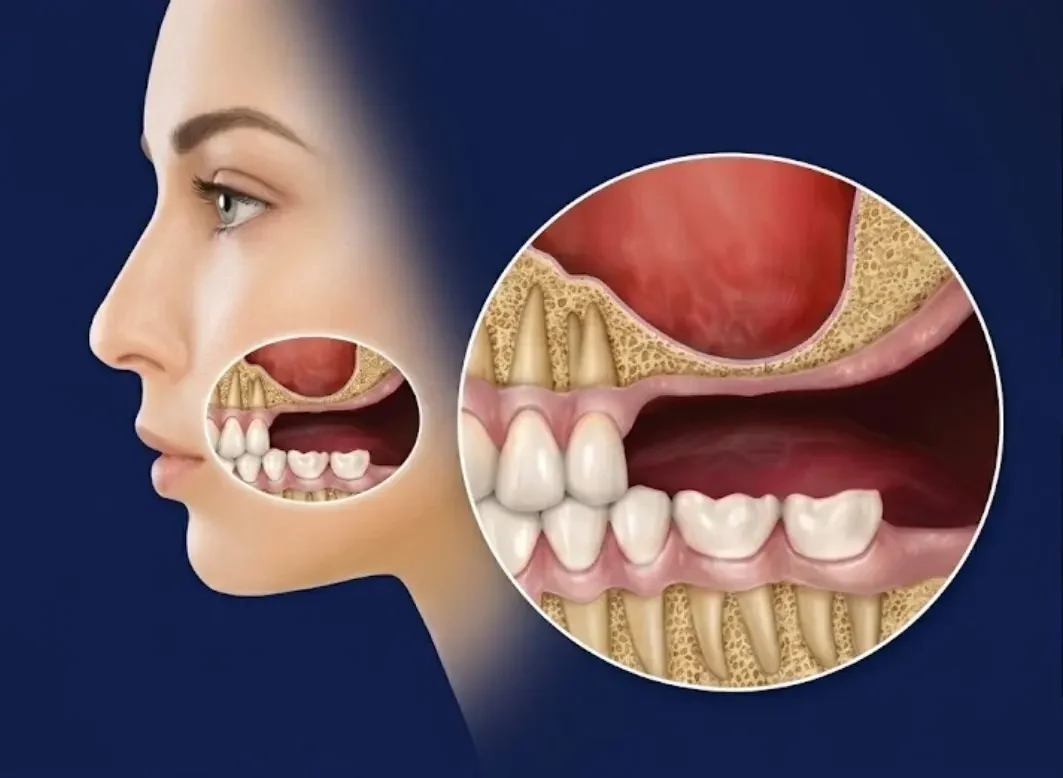
The roots of the upper premolars and molars are located close to the maxillary sinus, an air-filled space above the upper jaw. After the loss of upper back teeth, the bone in this area can gradually reduce in height. In some patients, the sinus may also naturally extend close to the jawbone.
When there is not enough bone between the jaw and sinus to safely support a dental implant, a sinus lift may be considered.
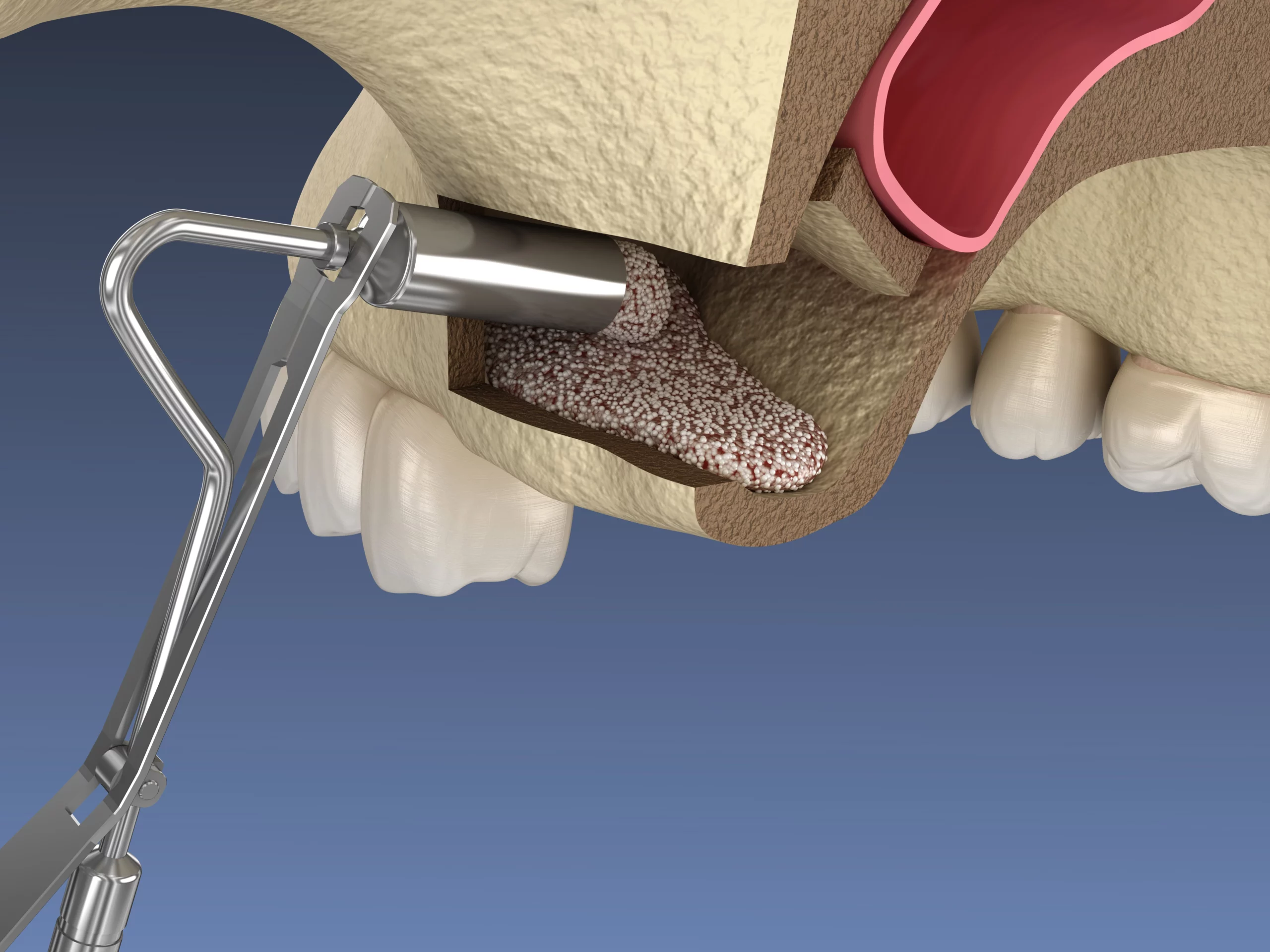
During the procedure, the sinus membrane is carefully moved upward and bone graft material is placed beneath it. Over time, the grafted area can develop new bone and provide additional support for planned implant treatment.
Why Is a Sinus Lift Needed?
Dental implants require adequate bone support for predictable placement and long-term function.
A sinus lift may be recommended when there is insufficient bone height in the upper back jaw because of:
- Long-term tooth loss
- Bone resorption after tooth extraction
- Natural anatomical limitations
- Advanced gum disease
- Previous infection
- Sinus anatomy
- Loss of bone volume over time
Not every patient with missing upper teeth needs a sinus lift. Dental imaging and clinical examination are necessary to determine whether sufficient bone is available for implant placement.
Sinus Lift and Dental Implants
A sinus lift is commonly associated with dental implant treatment in the upper back jaw.
When a tooth is missing for an extended period, the surrounding jawbone may gradually shrink. If the available bone is too thin or short for implant placement, bone augmentation may be necessary.
The treatment sequence may involve:
- Dental examination
- CBCT or other appropriate imaging
- Treatment planning
- Sinus lift and bone grafting
- Healing and bone maturation
- Dental implant placement
- Implant healing
- Placement of the final dental crown
In selected cases, the implant may be placed during the same procedure as the sinus lift if adequate existing bone is available for initial implant stability.
Your dentist will determine the appropriate sequence based on your individual anatomy.
Who May Need Sinus Lift Surgery?
Sinus lift surgery may be considered for patients who are planning dental implants in the upper back jaw but have insufficient bone height.
You may require evaluation for sinus augmentation if:
- You have missing upper molars or premolars
- You have experienced significant bone loss
- You have been told there is insufficient bone for an implant
- Your upper jawbone is naturally thin
- You have experienced bone loss following tooth extraction
- Your sinus is positioned close to the implant area
A detailed dental assessment is important before deciding whether sinus lift surgery is required.
Signs You May Have Insufficient Bone for Implants
Insufficient bone does not always produce symptoms. Many patients only discover that they have reduced bone volume during dental implant planning.
Your dentist may identify inadequate bone through:
- Dental X-rays
- CBCT scans
- Clinical examination
- Evaluation of previous tooth loss
- Assessment of jawbone height and width
Advanced imaging such as CBCT can provide three-dimensional information about the jawbone and sinus anatomy, helping the dental team plan treatment appropriately.
Types of Sinus Lift Procedures
There are two commonly described approaches to sinus augmentation.
Internal or Crestal Sinus Lift
A crestal sinus lift may be considered when only a relatively small increase in bone height is required.
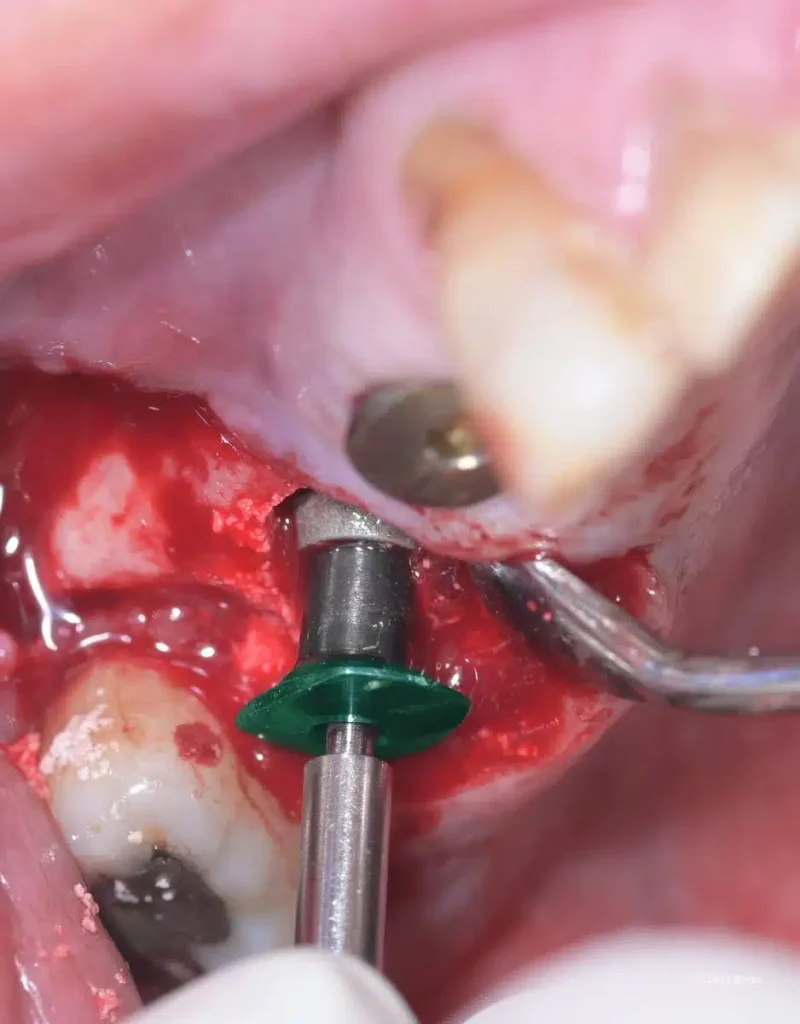
The procedure is performed through the implant site, and the sinus membrane is gently elevated before graft material is placed.
In selected cases, implant placement may be performed during the same appointment.
Lateral Window Sinus Lift
A lateral window sinus lift may be recommended when a greater amount of bone augmentation is required.
A small access window is created in the side of the upper jaw, allowing the dentist to carefully elevate the sinus membrane and place bone graft material beneath it.
The exact technique depends on the amount of bone available and the planned implant treatment.
Sinus Lift Surgery at Archak Dental
At Archak Dental, sinus lift treatment begins with careful evaluation and three-dimensional planning when required.
Step 1: Consultation
Your dentist discusses your missing teeth, dental history, previous treatments, and implant goals.
Step 2: Dental Examination
The condition of your gums, teeth, jawbone, and surrounding structures is assessed.
Step 3: CBCT Imaging
A CBCT scan may be recommended to evaluate the height and width of the available bone and understand the position of the maxillary sinus.
Step 4: Treatment Planning
Your dentist determines whether a sinus lift is required and selects the most appropriate approach.
Step 5: Sinus Augmentation
After appropriate local anaesthesia, the sinus membrane is carefully elevated and graft material is placed in the planned area.
Step 6: Healing
The grafted area is allowed to heal and develop new bone before or around implant placement, depending on the treatment plan.
Step 7: Implant Placement
Once adequate bone support is available, the dental implant can be placed when clinically appropriate.
How Long Do Ceramic Crowns Last?
The lifespan of a ceramic crown varies between patients. Several factors can influence how long a crown remains functional, including:
- Oral hygiene
- Bite forces
- Tooth location
- Crown design
- Dental habits
- Food and lifestyle habits
- Teeth grinding or clenching
- Regular dental check-ups
A ceramic crown is designed as a long-term restoration, but it can still experience wear or damage over time.
Maintaining good oral hygiene and visiting your dentist regularly can help identify potential problems early.
Is Sinus Lift Surgery Painful?
Patients often feel anxious about sinus lift surgery because it involves the area close to the sinus.
The procedure is generally performed under local anaesthesia, which helps minimize discomfort during treatment. Depending on the complexity of the procedure and individual circumstances, additional sedation options may sometimes be discussed.
After surgery, some swelling, tenderness, or a feeling of pressure may occur. Your dentist will provide appropriate post-operative instructions and medications if needed.
If you experience severe pain, significant swelling, persistent bleeding, fever, or other concerning symptoms, contact your dental clinic promptly.
Sinus Lift Surgery Recovery
Recovery varies depending on the surgical approach and the amount of bone augmentation performed.
After a sinus lift, your dentist may recommend:
- Follow prescribed medications as directed
- Eat soft foods initially
- Avoid putting pressure on the surgical area
- Maintain careful oral hygiene
- Avoid smoking and tobacco products
- Avoid strenuous activity for the recommended period
- Avoid forceful nose blowing
- Sneeze with your mouth open if necessary
- Attend scheduled follow-up appointments
Because the sinus area is involved, following post-operative instructions carefully is particularly important.
What Should You Avoid After a Sinus Lift?
Your dentist may advise you to avoid activities that create excessive pressure within the sinus during the early healing period.
These may include:
- Forceful nose blowing
- Smoking
- Strenuous physical activity
- Heavy lifting
- Activities involving significant pressure changes, when advised
- Disturbing the surgical area
Follow the instructions provided by your dental team because recommendations can vary depending on your procedure.
How Long Does Sinus Lift Healing Take?
Sinus lift healing time depends on the amount of bone augmentation, the surgical technique, graft material, and individual healing response.
The grafted area may require several months to mature sufficiently for implant placement in cases where the implant is not placed immediately.
Your dentist will monitor healing and determine when the bone has developed enough to proceed with the next stage of implant treatment.
Sinus Lift Surgery Cost in Bangalore
The cost of sinus lift surgery in Bangalore varies depending on the complexity of the case and the treatment plan.
Factors that may influence the cost include:
- Type of sinus lift procedure
- Amount of bone augmentation required
- Type and quantity of graft material
- Need for a protective membrane
- CBCT or other diagnostic imaging
- Whether an implant is placed at the same time
- Number of implants planned
- Additional dental procedures required
An exact estimate can be provided after your dental examination and treatment planning.
At Archak Dental, your dentist can explain the recommended sinus lift procedure, associated implant treatment, and expected costs during your consultation.
Possible Risks of Sinus Lift Surgery
Sinus lift surgery is a specialized procedure and, like other surgical treatments, may involve potential risks.
Possible complications can include:
- Swelling
- Pain or tenderness
- Bleeding
- Infection
- Sinus-related symptoms
- Membrane perforation
- Graft complications
- Delayed healing
- Failure of the graft to develop as expected
The risks vary depending on your anatomy, health, sinus condition, smoking status, and surgical complexity.
Your dentist will assess your individual risk factors and discuss them before treatment.
Why Choose Archak Dental for Sinus Lift Surgery?
Sinus lift treatment requires careful planning because the procedure involves the upper jaw and the maxillary sinus.
At Archak Dental, we focus on detailed diagnosis, appropriate imaging, personalized treatment planning, and careful post-operative guidance.
Our team evaluates the available bone and sinus anatomy before recommending augmentation. The ultimate goal is to create an appropriate foundation for planned dental implant treatment while considering your overall oral health.
If you are searching for sinus lift surgery in Bangalore, Archak Dental can assess your jawbone and explain whether sinus augmentation is appropriate for your dental implant treatment.
Frequently Asked Questions
No. A sinus lift is only considered when there is insufficient bone height or other anatomical limitations that affect planned implant placement.
Yes. Ceramic crowns can be customized to match the colour, shape, and proportions of surrounding teeth, helping create a natural-looking appearance.
Can a dental implant be placed during a sinus lift?
In selected cases, an implant may be placed during the same procedure. This depends on the amount of existing bone and the ability to achieve adequate implant stability.
How long does sinus lift surgery take?
The duration depends on the surgical technique and complexity of the case. Your dentist can provide a more specific estimate during treatment planning.
How long should I wait before getting an implant after a sinus lift?
The timing varies according to the amount of bone augmentation and individual healing. Your dentist will assess the graft and determine when implant placement is appropriate.
Can I travel after sinus lift surgery?
Your dentist may recommend avoiding certain travel or activities immediately after surgery, particularly those involving significant pressure changes. Always discuss travel plans with your dental team before the procedure.
Is sinus lift surgery safe?
Sinus lift surgery is a well-established dental procedure when appropriately planned and performed. However, every surgical procedure carries potential risks, which your dentist will explain before treatment.
Build a Strong Foundation for Dental Implants at Archak Dental
Insufficient bone in the upper jaw does not necessarily mean that dental implants are impossible. Sinus lift surgery can increase available bone height in selected patients and help create a suitable foundation for implant treatment.
At Archak Dental, we provide personalized sinus lift surgery in Bangalore, supported by detailed examination, appropriate imaging, careful surgical planning, and follow-up care.
If you have missing upper back teeth or have been told that you do not have enough bone for dental implants, schedule a consultation with Archak Dental. Our dental team can evaluate your jawbone and sinus anatomy and help you understand the most suitable treatment options for restoring your smile and chewing function.
Take the first step towards a confident smile.