
Dental Bone Grafting in Bangalore
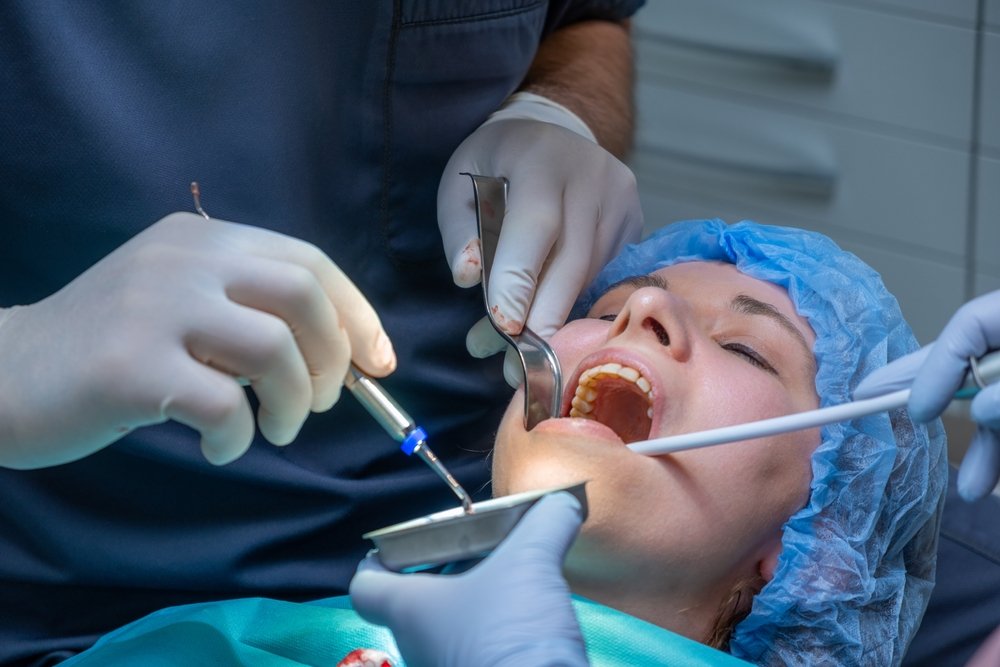
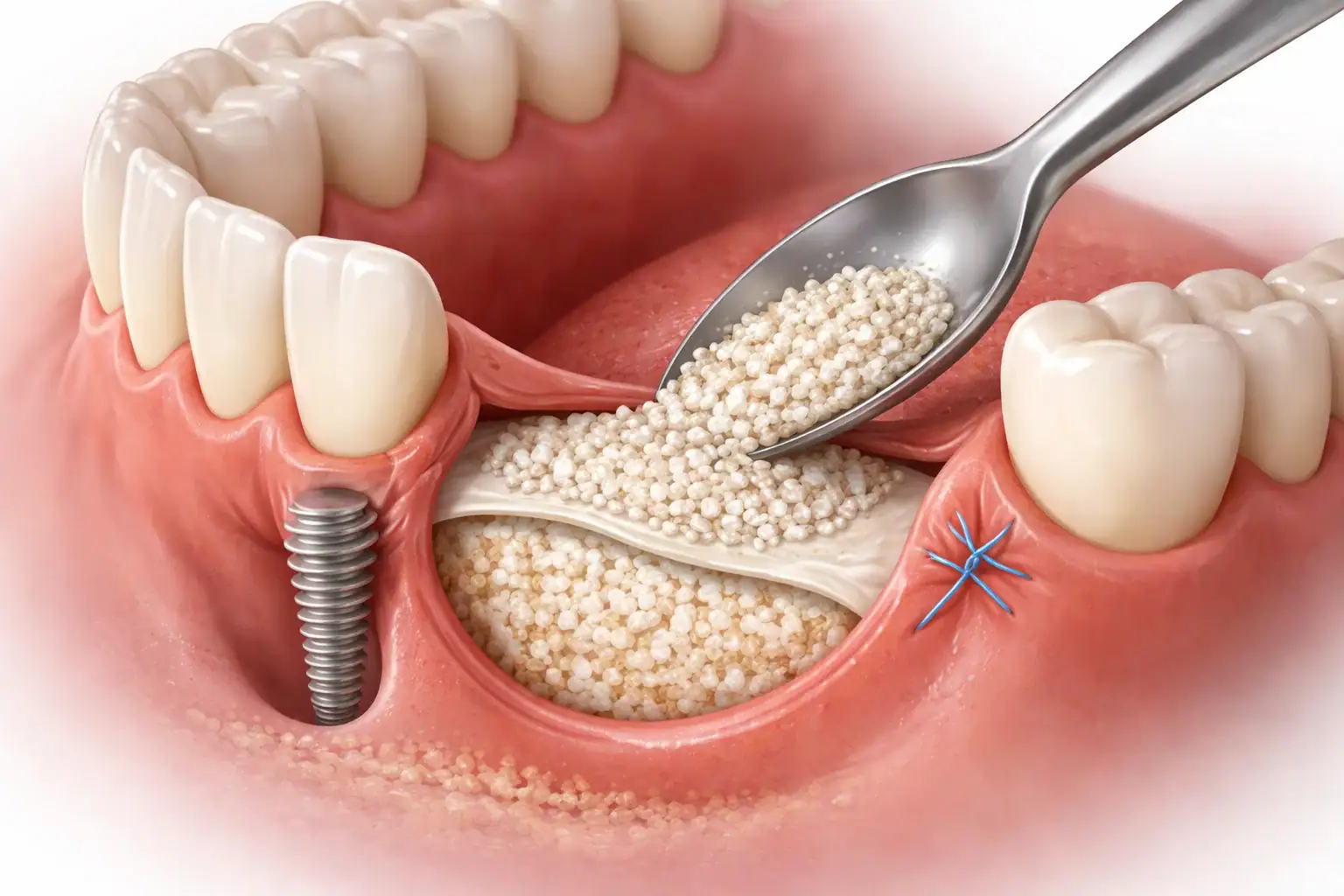
Dental Bone Grafting in Bangalore Advanced Treatment at Archak Dental
A strong and healthy jawbone provides an important foundation for supporting teeth and dental implants. When a tooth is lost, the surrounding jawbone may gradually lose volume because it is no longer receiving the same stimulation from the tooth root. In some patients, this loss of bone can make it difficult to place a dental implant in the ideal position.
Dental bone grafting is a restorative procedure used to rebuild or augment areas of insufficient jawbone. It may help create a stronger foundation for future dental implant treatment or support other dental procedures.
At Archak Dental, we provide personalized dental bone grafting in Bangalore for patients who require additional bone support as part of their dental treatment plan. Our team evaluates the condition of your teeth, gums, jawbone, and overall oral health before determining whether bone grafting is appropriate.
What Is Dental Bone Grafting?
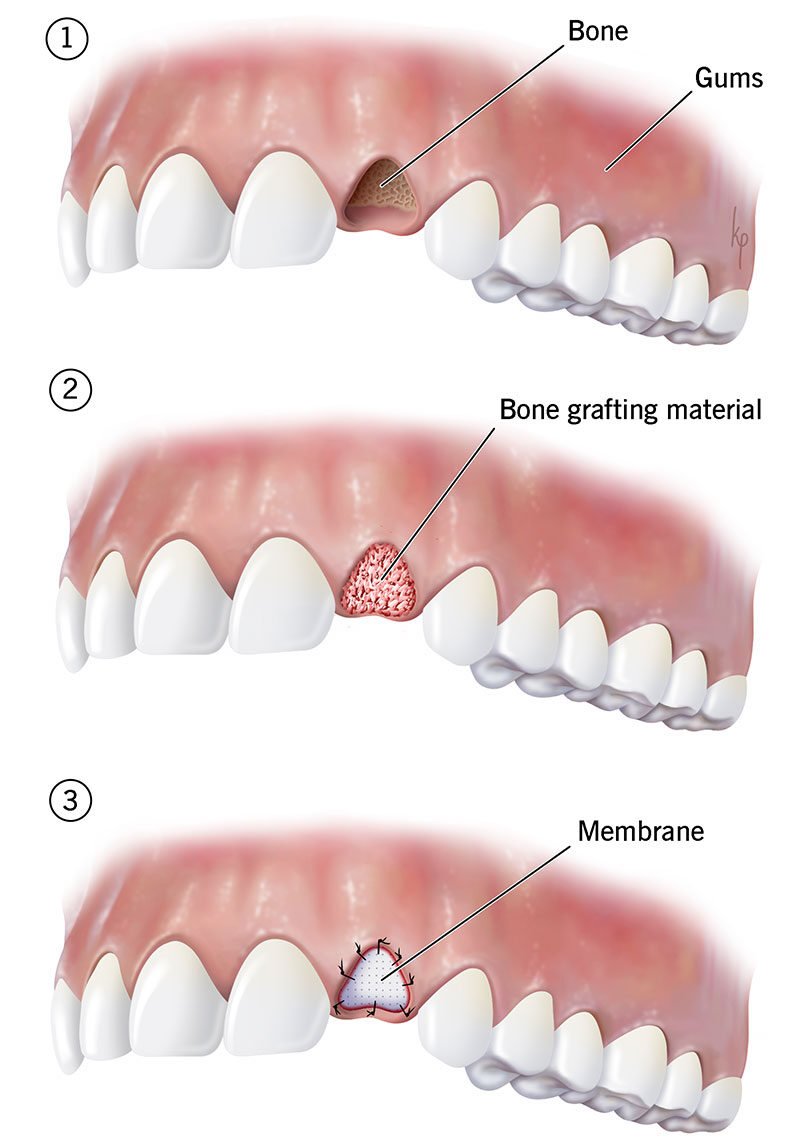
Dental bone grafting is a procedure designed to add bone or bone-like graft material to an area where the jawbone has insufficient volume or density.
The graft material acts as a framework that allows the body to develop new bone in the treated area over time. Once adequate healing has occurred, the regenerated bone may provide improved support for a dental implant or other planned treatment.
Bone grafting is not necessary for every dental implant patient. Some people have sufficient bone volume to receive an implant without grafting, while others may require augmentation before or during implant placement.
Why Is Bone Grafting Needed?
One of the most common reasons for dental bone grafting is bone loss following tooth extraction or tooth loss.
When a natural tooth is present, its root provides stimulation to the surrounding jawbone. After the tooth is removed, the bone in that area may gradually shrink.
Other factors that may contribute to insufficient jawbone include:
- Long-term missing teeth
- Advanced gum disease
- Previous dental infections
- Trauma or injury to the jaw
- Bone defects
- Certain anatomical limitations
- Previous tooth extraction
- Natural differences in jawbone structure
If there is not enough bone to support an implant safely and predictably, your dentist may recommend bone augmentation.
Dental Bone Grafting and Dental Implants
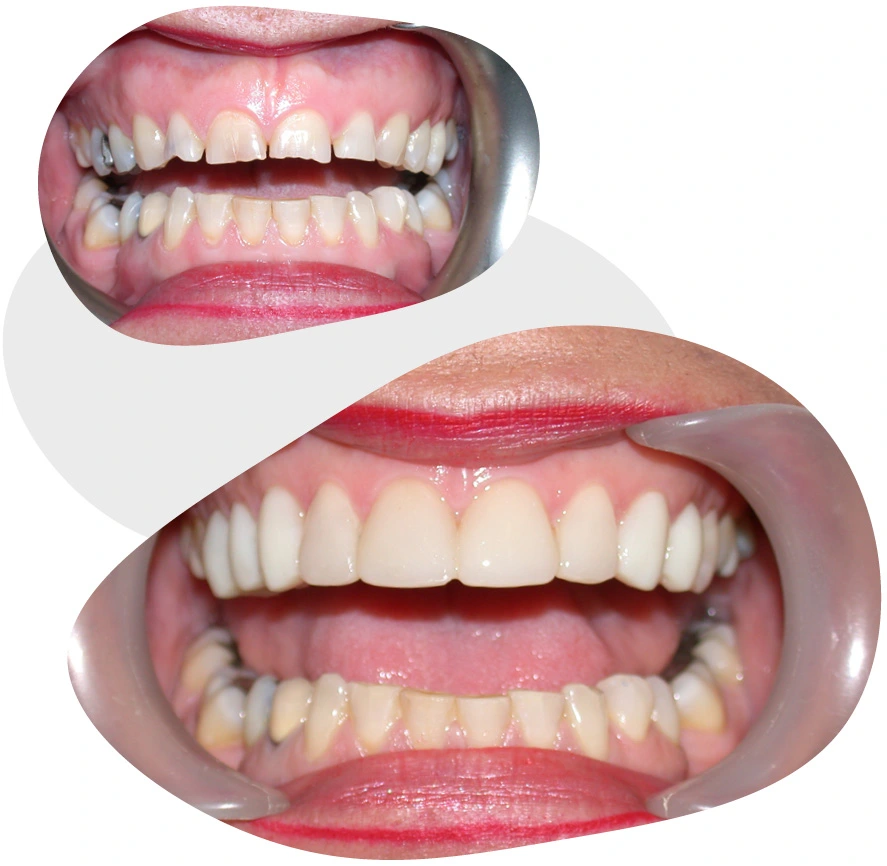
Dental implants are designed to replace missing tooth roots and support restorations such as crowns, bridges, or dentures.
For an implant to function properly, adequate bone volume and quality are important. If the jawbone has resorbed significantly, placing an implant without addressing the bone deficiency may not provide the desired foundation.
In such cases, bone grafting may be recommended before implant placement.
Depending on the clinical situation, bone grafting may be performed:
- Before implant placement
- At the time of implant placement in selected cases
- As part of a larger implant treatment plan
Your dentist will determine the appropriate timing based on the amount and location of bone available.
Who May Need Dental Bone Grafting?
Bone grafting may be recommended for patients who have insufficient bone volume in an area planned for dental implant treatment.
You may require evaluation for bone grafting if:
- You have been missing a tooth for a long period
- Your jawbone has reduced after tooth loss
- You have experienced significant gum disease
- You have had a previous dental infection
- Your dentist identifies inadequate bone for implant placement
- You have experienced jaw trauma
- You have certain anatomical limitations
A dental examination and appropriate imaging are required to determine whether bone grafting is necessary.
Bone Loss After Tooth Extraction
Bone loss after tooth extraction is a natural process. The jawbone can gradually change shape and lose volume once a tooth and its root are removed.
The extent of bone loss differs between individuals and can depend on factors such as the location of the tooth, existing infection, gum health, and individual healing.
If you are considering a dental implant after extraction, discussing your future treatment plan with your dentist early may be beneficial. In selected cases, bone preservation or grafting may be considered around the time of extraction.
Types of Dental Bone Grafts
Different types of grafting materials can be used depending on the patient’s condition and treatment requirements.
Autogenous Bone Graft
This type of graft uses bone taken from another area of the patient’s own body. It may be considered in selected clinical situations.
Allograft
An allograft uses processed donor human bone material. It is prepared for use in dental and surgical procedures.
Xenograft
A xenograft is derived from a non-human biological source and is processed for use as a grafting material.
Synthetic Bone Graft Materials
Synthetic materials may also be used for certain bone augmentation procedures.
The appropriate grafting material depends on the location, size, and nature of the bone defect, as well as the planned dental treatment.
Dental Bone Grafting Procedure at Archak Dental
At Archak Dental, treatment begins with careful diagnosis and planning.
Step 1: Dental Examination
Your dentist evaluates the missing tooth area, gums, neighboring teeth, and available bone.
Step 2: Dental Imaging
X-rays or advanced three-dimensional imaging such as CBCT may be recommended when necessary. These images can help evaluate bone height, width, and anatomical structures.
Step 3: Treatment Planning
Based on the findings, your dentist determines whether bone grafting is required and discusses the proposed procedure.
Step 4: Graft Placement
After appropriate anaesthesia, the graft material is placed in the area where additional bone volume is needed.
Step 5: Protection and Healing
Depending on the procedure, a protective membrane or other materials may be used. The area is then allowed to heal so that new bone can develop.
Step 6: Follow-Up
Follow-up appointments allow your dentist to monitor healing and determine when the area is ready for the next stage of treatment.
Is Dental Bone Grafting Painful?
Patients often worry about discomfort associated with bone grafting.
The procedure is generally performed under local anaesthesia, which numbs the treatment area. You should not experience significant pain during the procedure, although pressure or movement may be noticeable.
Some swelling, soreness, or sensitivity may occur after treatment. The amount of discomfort depends on the extent and location of the grafting procedure.
Your dentist will provide aftercare instructions and medications if required.
Recovery After Bone Grafting
Healing after dental bone grafting varies depending on the extent of the procedure and individual factors.
During the recovery period, your dentist may recommend:
- Following prescribed medications as directed
- Eating soft foods temporarily
- Avoiding pressure on the treated area
- Maintaining careful oral hygiene
- Avoiding smoking and tobacco products
- Avoiding strenuous activity for the recommended period
- Attending follow-up appointments
It is important not to disturb the grafted area during the healing period.
If you experience significant pain, excessive swelling, persistent bleeding, fever, or other unusual symptoms, contact your dental clinic promptly.
How Long Does Bone Grafting Take to Heal?
Bone graft healing takes longer than routine dental procedures because the grafted area needs time to develop new bone.
The healing period varies depending on:
- Amount of bone grafting required
- Location of the graft
- Type of graft material used
- Individual healing response
- Overall oral health
- Presence of infection or gum disease
Your dentist will monitor the healing process and determine when the bone has developed sufficiently for the next stage of implant treatment.
Bone Grafting Before Dental Implants
If you require a dental implant but have insufficient bone, your treatment may involve a staged approach.
The general sequence may include:
- Dental examination and imaging
- Bone grafting
- Healing and bone maturation
- Implant placement
- Implant healing and integration
- Placement of the final dental crown or restoration
The exact sequence varies according to each patient’s condition.
In selected cases, implant placement and bone grafting may be performed during the same surgical appointment.
Sinus Lift and Bone Augmentation
For patients missing upper back teeth, there may be limited bone height between the jawbone and the maxillary sinus. In such cases, a sinus lift may be considered to create additional space for bone augmentation.
A sinus lift is a specialized type of bone augmentation procedure. It involves carefully elevating the sinus membrane and placing graft material in the required area.
Whether a sinus lift is necessary depends on the amount of available bone and the planned implant position.
Benefits of Dental Bone Grafting
For appropriately selected patients, bone grafting may provide several important benefits:
- Helps rebuild areas of deficient jawbone
- May make dental implant placement possible
- Can improve the foundation for implant treatment
- Helps restore bone volume in selected areas
- Supports planned restorative treatment
- May improve the ability to position an implant appropriately
Bone grafting is primarily a functional and restorative procedure rather than a cosmetic treatment.
Dental Bone Grafting Cost in Bangalore
The cost of dental bone grafting in Bangalore varies depending on several factors.
These may include:
- Amount of bone augmentation required
- Location of the graft
- Type and quantity of graft material
- Need for a membrane
- Diagnostic imaging
- Complexity of the procedure
- Whether additional procedures are required
- Implant treatment planned afterward
Because every patient’s bone condition is different, an accurate estimate can only be provided after examination and treatment planning.
At Archak Dental, your dentist can explain the recommended procedure and associated treatment costs during your consultation.
Why Choose Archak Dental for Dental Bone Grafting?
Bone grafting requires careful assessment and treatment planning, particularly when it is being performed as part of a dental implant procedure.
At Archak Dental, we evaluate the available bone, gum health, neighboring teeth, and overall oral condition before recommending grafting.
Our approach focuses on understanding the patient’s individual requirements and developing a treatment plan that considers both the immediate procedure and the long-term goal of restoring missing teeth.
If you are searching for dental bone grafting in Bangalore, Archak Dental can assess your jawbone and explain whether bone augmentation may be required before dental implant treatment.
Frequently Asked Questions
Is bone grafting necessary for every dental implant?
No. Many patients have sufficient bone to receive implants without grafting. Bone grafting is considered when there is inadequate bone volume or density for the planned implant treatment.
Can bone grafting be done on the same day as tooth extraction?
In selected cases, bone grafting may be performed at the time of tooth extraction. The decision depends on the condition of the extraction site and the planned treatment.
How long after bone grafting can an implant be placed?
The timing varies according to the size and location of the graft and the patient’s healing response. Your dentist will determine when sufficient bone has developed.
Can bone grafting fail?
As with any surgical procedure, complications can occur. Proper treatment planning, following post-operative instructions, and maintaining good oral health can support healing.
Is dental bone grafting safe?
Bone grafting is a commonly performed procedure in implant and restorative dentistry. Your dentist will assess your individual condition and discuss potential risks and benefits before treatment.
Build a Strong Foundation for Your Smile at Archak Dental
Insufficient jawbone does not necessarily mean that dental implants are impossible. Dental bone grafting can help rebuild areas of reduced bone volume and may provide the foundation needed for planned implant treatment in suitable patients.
At Archak Dental, we provide personalized dental bone grafting in Bangalore following detailed examination, appropriate imaging, and careful treatment planning.
If you have been told that you do not have enough bone for a dental implant, or if you are considering replacing a missing tooth, schedule a consultation at Archak Dental. Our dental team can evaluate your jawbone, discuss your treatment options, and help you understand the next steps toward restoring your smile and oral function.
Take the first step towards a confident smile.